

CMA CGM Adds Methanol Power to Asia–Med Trade as Energy Transition Pressure Mounts
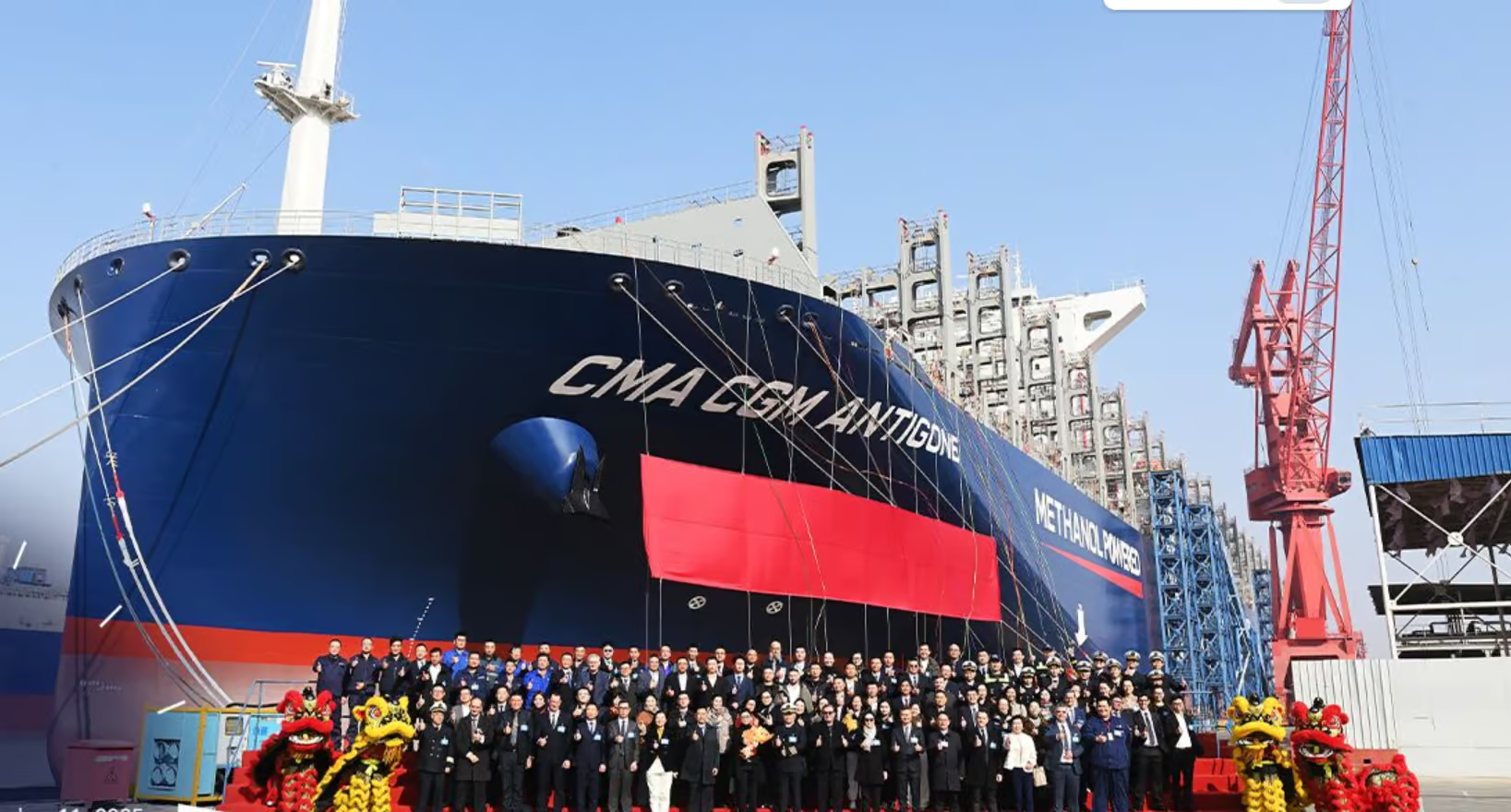
The naming of a single vessel rarely signals a strategic shift. Yet for container shipping lines facing regulatory pressure, volatile fuel markets, and customer scrutiny, every newbuild tells a bigger story. That is the context surrounding CMA CGM and the official naming of the CMA CGM ANTIGONE, a dual fuel methanol container vessel entering active service this week.
The ship’s entry comes as carriers are forced to balance decarbonisation commitments with the hard economics of global trade lanes that remain under intense cost and capacity pressure.
A Vessel Designed for Regulatory Reality

The CMA CGM ANTIGONE is part of the group’s expanding methanol capable fleet, a technology increasingly viewed as a pragmatic bridge between conventional fuels and future zero emission solutions. Unlike LNG, methanol can be produced from renewable sources, although availability and pricing remain unresolved challenges for operators.
The vessel will be commanded by Captain Zhang Zequan, with Harriet Wu, former CFO of CMA CGM China, serving as godmother at the naming ceremony. The symbolism matters. Leadership representation at such events reflects the strategic weight being placed on energy transition decisions at group level.
Methanol propulsion does not eliminate emissions, but it does offer a measurable reduction pathway at a time when compliance with IMO targets and regional regulations is no longer optional. For carriers, the question is no longer whether to invest in alternative fuels, but how quickly fleets can adapt without undermining service reliability.
Strengthening the Asia–Middle East–Mediterranean Corridor
Deployment on the BEX2 service positions the CMA CGM ANTIGONE along one of the most commercially sensitive corridors linking Asia, the Middle East, and the Mediterranean. This route supports not only consumer goods flows but also industrial cargo, project materials, and time sensitive supply chains tied to energy and infrastructure investment.
For shippers and forwarders, vessel fuel choices increasingly influence procurement decisions. Carbon reporting requirements are filtering down contracts, raising a simple but uncomfortable question. Can logistics providers afford not to offer lower emission options on core east west trades?
Methanol as Strategy, Not Symbolism
Within the container sector, methanol newbuilds are moving from pilot projects to fleet strategy. The CMA CGM ANTIGONE reflects a calculated bet that fuel flexibility will become a competitive differentiator rather than a cost burden.
As global trade routes adjust to geopolitical tension and regulatory tightening, every new vessel choice signals how carriers expect the next decade of shipping to unfold. In that sense, ANTIGONE is less about ceremony and more about positioning.
Source: Breakbulk News