

LIEBHERR Maritime Cranes: Black Sea Ports Face Capacity Pressure as DP World Constanța Adds 400 Tonne Tandem Lift Capability
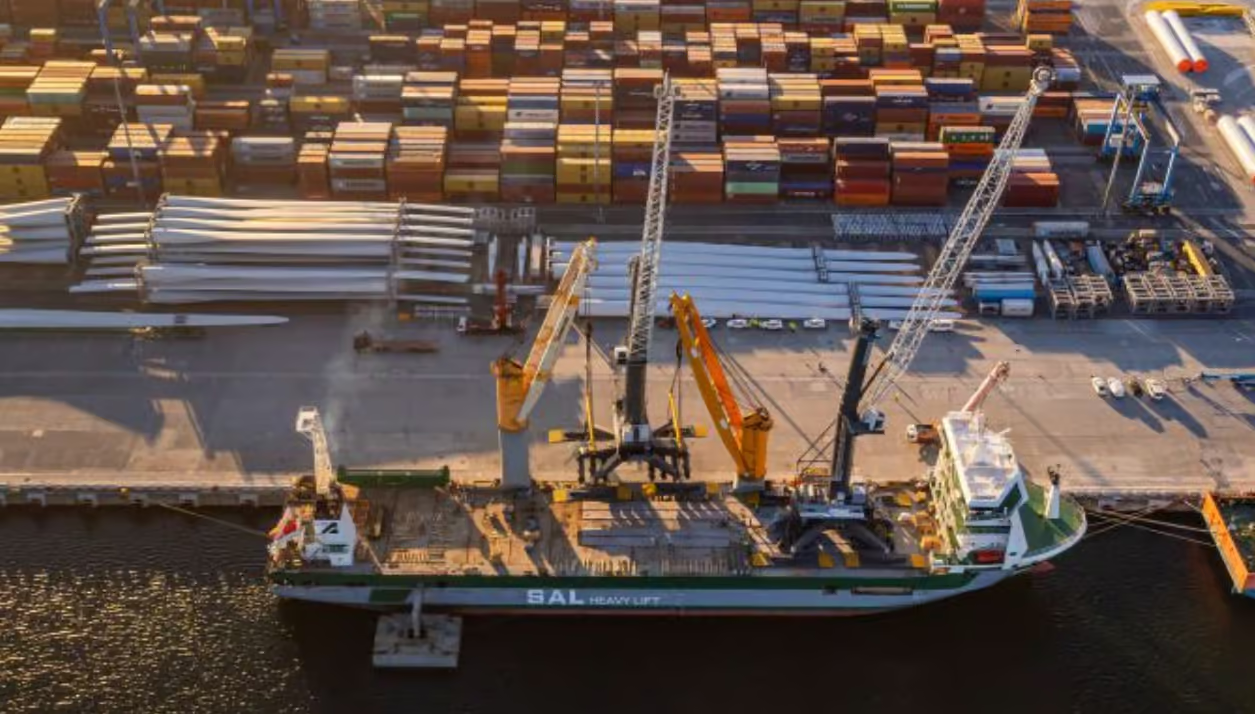
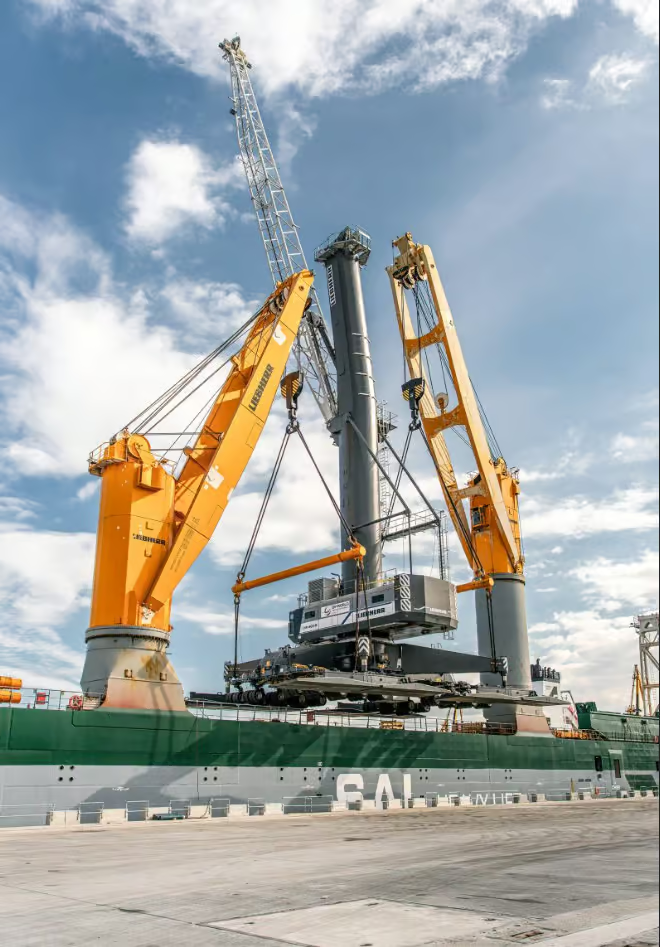
The Black Sea maritime corridor is quietly undergoing a shift. DP World Constanța, the region's largest container terminal, has taken delivery of two new LHM 600 mobile harbour cranes supplied by Liebherr Maritime Cranes, adding synchronized tandem lift capacity of up to 400 tonnes.
A Signal Beyond New Equipment
For port operators across Eastern Europe, crane investments are rarely cosmetic. With vessel sizes growing and project cargo volumes becoming less predictable, terminals are under pressure to handle heavier units without extending berth time. The new cranes are fully electric, reflecting a broader push toward lower emissions and tighter energy control.
Why 400 Tonnes Matters Now
Synchronized tandem lifts allow two cranes to work as one. In practical terms, that means transformers, reels, and oversized industrial components can move directly from quay to yard with fewer handling steps. In a trade environment shaped by supply chain volatility, that flexibility can determine whether a port wins or loses complex cargo calls.
Cleaner Lifts in a Sensitive Region
Electric drive mobile harbour cranes reduce local emissions and noise, a growing concern for Black Sea ports operating near urban centers. For Constanța, the upgrade aligns operational growth with environmental constraints, at a moment when regional trade lanes are attracting renewed geopolitical and commercial attention.
From containers to bulk and heavy lift cargo, the cranes underline a clear message. Ports that fail to invest risk becoming bottlenecks. Those that do may quietly reshape cargo flows long before competitors notice. In the Black Sea, where infrastructure choices often echo for decades, such decisions rarely stay local, influencing routing strategies, project timelines, and the balance of power between regional gateways. The latest move places Constanța firmly on that map today now.
Source: Breakbulk News