


U.S. Critical Minerals Push Signals New Cargo Opportunities
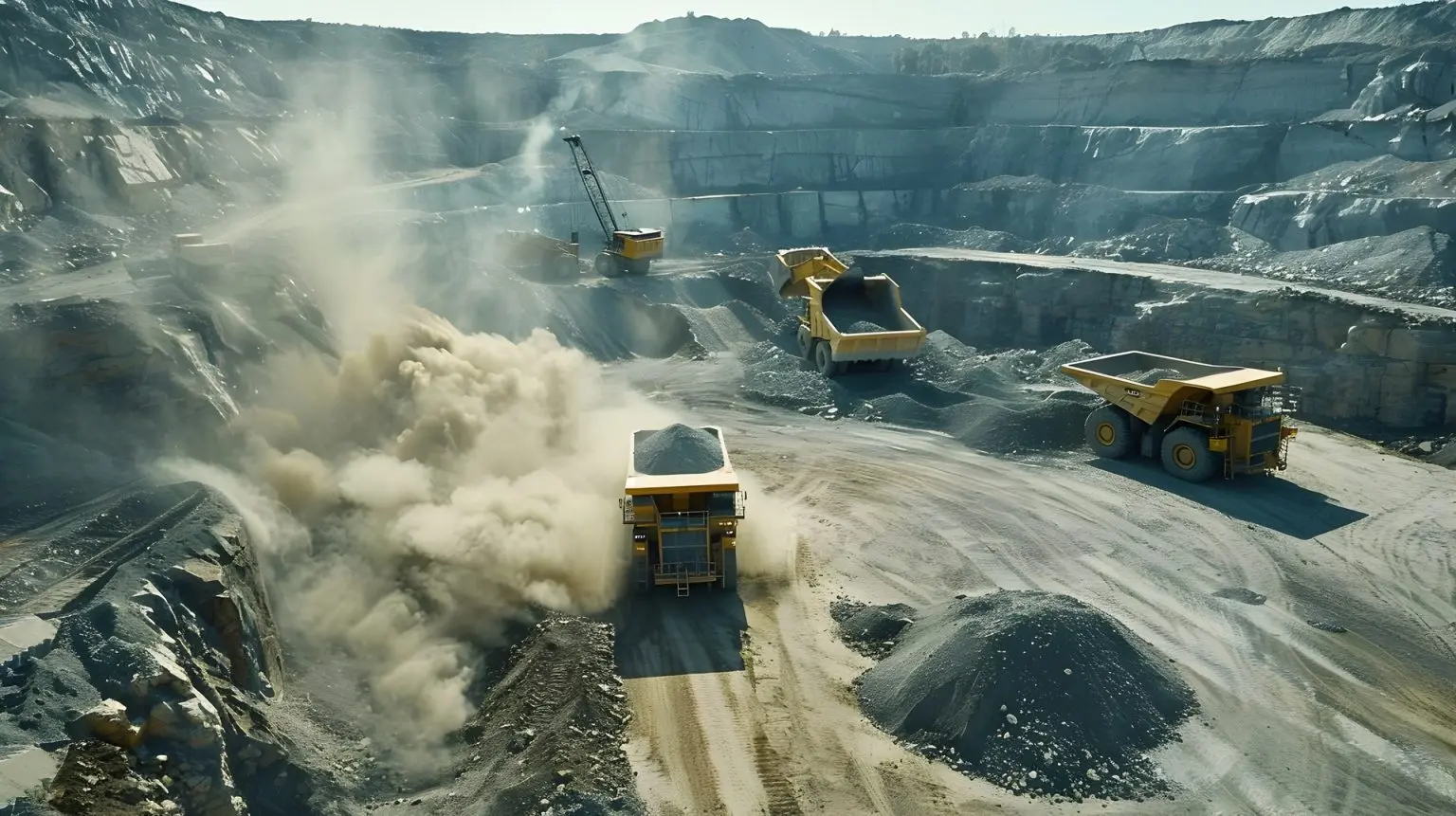
The U.S. government’s latest moves on critical minerals are reshaping not only mining but also the breakbulk and project cargo sectors. President Donald Trump’s executive order, now backed by federal agencies and lawmakers, is setting the stage for a rapid expansion of mineral projects—and the heavy-lift logistics that follow.
Interior Department Speeds Up Offshore Mining
This week, the Department of the Interior rolled out regulatory changes aimed at offshore and seabed mining. The adjustments shorten permit durations, reduce paperwork, and accelerate leasing processes for exploration. For shipping operators, that means mining equipment and subsea infrastructure may start moving earlier than expected.
Industry observers note that the reforms place logistics companies closer to the start line of mineral exploration. One analyst compared the shift to “removing speed bumps from a construction site before the trucks arrive.” It’s a telling analogy: less red tape translates directly into earlier demand for breakbulk services.
USGS Releases Draft Critical Minerals List
On August 26, the U.S. Geological Survey (USGS) released its draft 2025 Critical Minerals List. The comment period, open until September 25, gives industry stakeholders a rare chance to influence federal strategy. Once finalized, the list will guide everything from investment incentives to project approvals through the end of the year.
A mining executive told Reuters that the ability to shape the list “is as much about shipping as it is about mining.” If minerals like rare earths or cobalt rise in priority, ports and carriers will need to prepare for sudden cargo flows.
Congress Moves to Lock in Executive Orders
On Capitol Hill, lawmakers are advancing bills that would make many of Trump’s executive orders permanent. These proposals include opening more federal lands for mineral production and easing environmental reviews. For project forwarders and heavy-lift operators, codified policies could mean a steadier pipeline of cargo—less like a series of one-off projects and more like a long-term contract.
Breakbulk Sees Growth Signals
Breakbulk operators are watching closely. Recent commentary highlights critical mineral cargo alongside large-scale infrastructure as the dual engines of growth for terminals in 2026. Offshore exploration rigs, refinery modules, and heavy machinery are all on the horizon.
The sector may need upgrades of its own to keep up. Terminals handling oversized loads are already assessing berth space and storage, while shipping lines are reviewing fleet deployment strategies. One port manager described the moment as “a rehearsal for a surge we know is coming.”
Federal Agencies Expand Investment Support
Beyond permits and lists, agencies such as the Department of Energy are rolling out funding notices for demonstration projects in mineral recovery and processing. These programs don’t just target miners—they ripple outward to logistics providers who must move prototypes, pilot plants, and eventually, full-scale processing units.
The mining sector has welcomed the changes, viewing the streamlined framework as critical to U.S. competitiveness against China. For logistics professionals, the message is clear: minerals are no longer just a resource play, they’re a freight story waiting to unfold.
Source: Breakbulk News