


Canada Opens Door to 49,000 Chinese EVs as Canola Tariffs Fall in Strategic Trade Reset
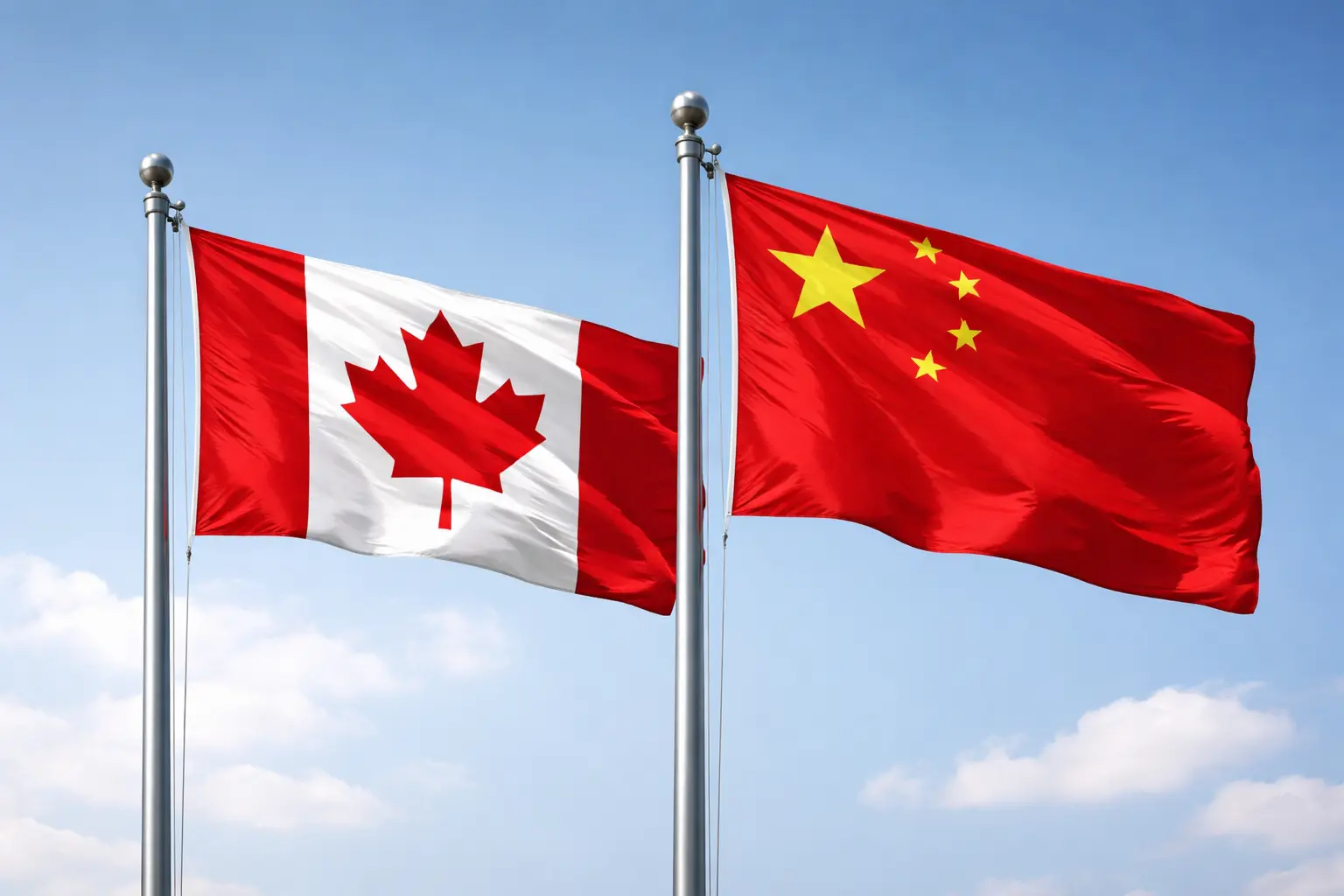
Canada has taken a rare and closely watched step away from U.S. trade alignment, announcing sharply reduced tariffs on a limited volume of Chinese electric vehicles while securing reciprocal relief for Canadian agricultural exports to China.
The announcement came during a state visit to Beijing by Mark Carney, marking a significant recalibration of Canada’s trade strategy at a time of mounting pressure on North American supply chains.
A Targeted Tariff Shift With Global Implications
Canada will allow up to 49,000 Chinese electric vehicles to enter the country under a preferential tariff rate of 6.1 percent, a dramatic reduction from the 100 percent tariff imposed in 2024. That earlier move had closely mirrored U.S. policy aimed at shielding domestic auto manufacturing from Chinese competition.
In return, China will lower tariffs on Canadian canola products, a sector that has faced repeated trade disruptions over the past decade. For exporters, this reopens a vital corridor into one of the world’s largest agricultural import markets.
Beijing Talks Signal Strategic Repositioning
The policy shift was confirmed following meetings between Xi Jinping and Mark Carney in Beijing, where both sides referred to a new strategic partnership. Chinese readouts avoided tariff specifics, but Canadian officials framed the deal as practical and results driven.
Supply Chains Caught Between Politics and Cargo
The move comes as the United States, under Donald Trump, maintains tariffs on Canadian lumber, steel, and autos. Trade talks between the two allies remain largely frozen ahead of a scheduled review of their trilateral free trade agreement with Mexico.
China has also committed to a considerable investment in Canada’s auto sector over the next three years, adding another variable for logistics planners watching EV volumes, port capacity, and inland distribution routes shift in real time.
Source: Breakbulk News