

Baltic and Mediterranean Ports Forge Green Alliance as Klaipėda’s Mega-Expansion Nears Launch
The Port of Klaipėda and the Port of Valencia are accelerating their strategic partnership, exchanging infrastructure expertise and targeting joint cargo growth as Lithuania’s largest port prepares for a 100 hectare southern expansion and Spain’s Mediterranean hub pushes ahead with its own €240 million sustainability drive.
The collaboration, confirmed by a Lithuanian delegation this week, comes as both ports race to attract high value cargo flows while slashing emissions through green hydrogen, shore power, and rail linked logistics—moves that could reshape trade routes between the Baltic and Western Mediterranean.
Market and Operational Impact: Cargo, Capacity, and Carbon Cuts
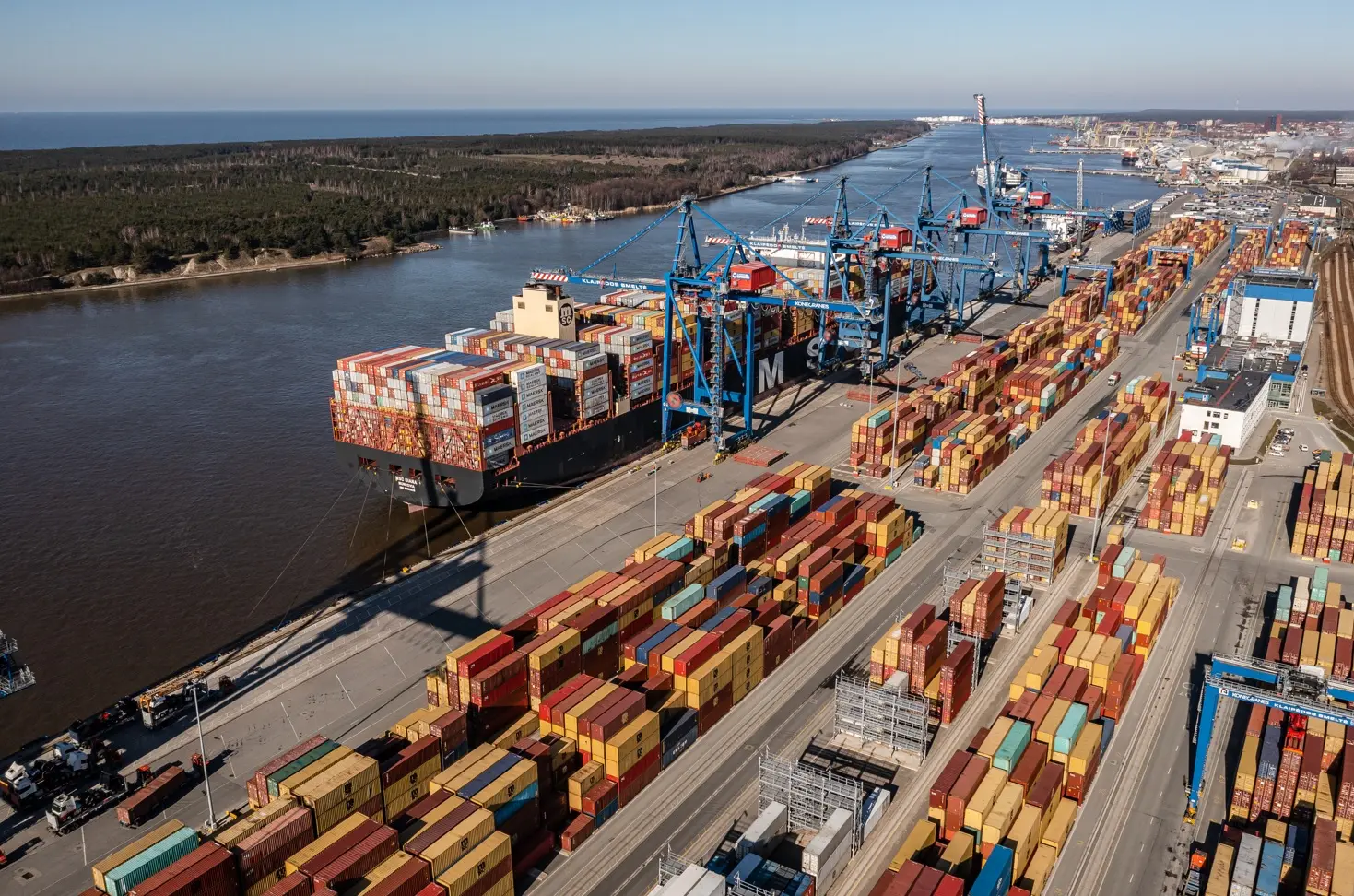
The Port of Klaipėda, Lithuania’s ice free gateway to the Baltic, is on the brink of its largest ever expansion. The 100 hectare southern development—set to include 1.3 kilometers of new quays, deeper draft channels, and state of the art terminals—will boost capacity for containerized, breakbulk, and RoRo cargo, positioning Klaipėda as the Baltic States’ dominant hub for oversized and project cargo. Algis Latakas, Director General of the Klaipėda State Seaport Authority, called the project “a transformative step for Lithuania’s maritime economy,” noting that Valencia’s experience with similar expansions provided critical insights for avoiding delays and integrating low carbon techport.
Valencia, meanwhile, handled 77 million tonnes of cargo and 4.8 million TEU in 2025, with rail borne freight up 9% year on year. The port’s ECOPORT II program, budgeted at €280 million, targets carbon neutrality by 2035 through hydrogen powered machinery, onshore power for vessels, and a 70% shift to rail for hinterland connections. Roderikas Žiobakas, Lithuania’s Deputy Minister of Transport, underscored the urgency of such partnerships: “In today’s volatile market, success depends not just on infrastructure but on alliances with ports that share our ambition for growth and sustainability”.
The stakes are high for shippers. Klaipėda’s expansion will directly compete with Riga and Tallinn for Baltic breakbulk and project cargo, while Valencia’s rail and green investments aim to pull freight from road haulage and rival hubs like Barcelona. For forwarders, the collaboration could mean faster transit times for cargo moving between Scandinavia, the Baltics, and Southern Europe—if the ports deliver on their intermodal promises.
Stakeholder Reactions and Next Steps: Quays, Quotes, and Quotas
Port operators on both sides are bullish. Algis Latakas told reporters that Valencia’s “proven track record in managing large scale expansions while reducing environmental footprints” had already influenced Klaipėda’s design choices, particularly in automating cargo handling and phasing out diesel powered equipment. Valencia’s Port Authority, in a statement to Valenciaport, highlighted the “synergies in attracting high value industrial cargo,” pointing to shared targets in automotive, renewable energy components, and agribulk—sectors where both ports saw double digit growth in 2025.
Yet challenges loom. Klaipėda’s expansion hinges on securing private investors for the southern terminals, with a construction permit expected by late 2026. Valencia, while financially robust, faces pressure to deliver its north terminal upgrade on time amid labor shortages in Spain’s construction sector. Analysts at Drewry warn that delays in either project could push cargo to competing ports: “Shippers won’t wait. If Klaipėda’s new quays aren’t operational by 2027, Riga and Gdansk will snap up the breakbulk and project flows,” said a spokesperson.
On the sustainability front, both ports are betting big on green hydrogen. Klaipėda’s €30 million hydrogen refueling station, set to open in February 2026, will supply vessels, port equipment, and even local buses. Valencia’s H2PORTS project, funded by the EU, is testing hydrogen powered straddle carriers and reach stackers, with results due in Q3 2026. “This isn’t just about compliance,” said a Valencia Port spokesperson. “It’s about future proofing. The first ports to offer zero emission handling will win the high margin cargo.”
Wider Context: Why This Baltic Mediterranean Axis Matters
The Klaipėda Valencia partnership is more than a bilateral deal. It reflects a broader scramble among European ports to lock in cargo flows as trade lanes fragment post Ukraine war and nearshoring reshapes supply chains. For the Baltics, deeper ties with Valencia—a port that serves 270 million consumers within a 2,000 km radius—could reduce reliance on German and Polish hubs for transshipment. For Valencia, Klaipėda offers a direct link to Scandinavia’s booming wind energy and forestry sectors, where project cargo volumes are surging.
The green angle is equally strategic. With the EU’s Fit for 55 package tightening emissions rules for ports and ships, early movers like Klaipėda and Valencia are positioning themselves as the go to hubs for ESG conscious shippers. “By 2027, we expect a premium for cargo handled at carbon neutral terminals,” predicted a Clarksons Research analyst. “Ports that can’t offer green corridors or shore power will lose out.”
For breakbulk operators, project forwarders, and industrial shippers, the message is clear: the Baltic Mediterranean corridor is getting faster, greener, and more competitive. The question is who will blink first in the race to deliver.
Source: Breakbulk News