

Port of Antwerp-Bruges International signs Misurata port deal to boost Libya trade
Belgian and Libyan port partners set long-term cooperation
Port of Antwerp-Bruges International has signed a Memorandum of Understanding with Misurata Port & Free Zone in Libya, opening the way for a long-term partnership focused on sustainable port development and knowledge exchange.
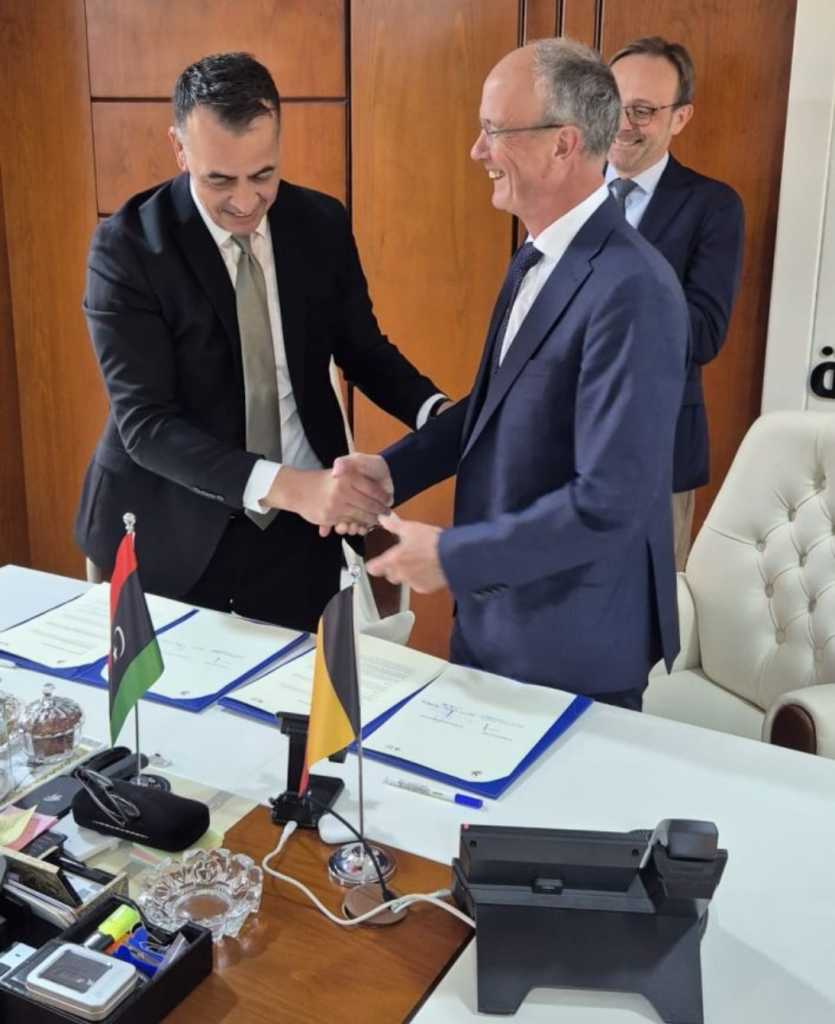
The agreement was witnessed by Belgian ambassador François Dumont and marks a new step in economic cooperation between Belgium and Libya.
Focus on governance, infrastructure and digital systems
The partnership will support Misurata’s plans to develop a more modern and efficient port ecosystem. The areas of cooperation include governance, infrastructure, digitalisation and human capital.
For Libya, ports remain critical gateways for trade, cargo flows and industrial development. For Belgium, the agreement gives Port of Antwerp-Bruges International another platform to share operational expertise in a region where port capacity and trade connectivity remain central to economic recovery.
Knowledge exchange at the centre of the deal
The cooperation is built around practical knowledge transfer rather than a single infrastructure project. In port terms, that matters. A quay, terminal or crane can be built, but the real performance often comes from how people, systems and procedures work together.
The partners said the aim is to contribute to resilient and future-proof port platforms that support economic growth and international trade.
Antwerp-Bruges expands international port role
Port of Antwerp-Bruges International said the agreement reflects its wider strategy of building long-term, win-win partnerships worldwide.
The company thanked colleagues Stefan Cassimon and Nico S. for their presence and work on the ground in Libya during the signing process.
For Misurata Port & Free Zone, the MoU brings access to international port experience at a time when efficient logistics, digital systems and stronger governance are becoming key requirements for ports serving cargo owners, shipping lines and industrial users.
Source: Breakbulk News